Table bases
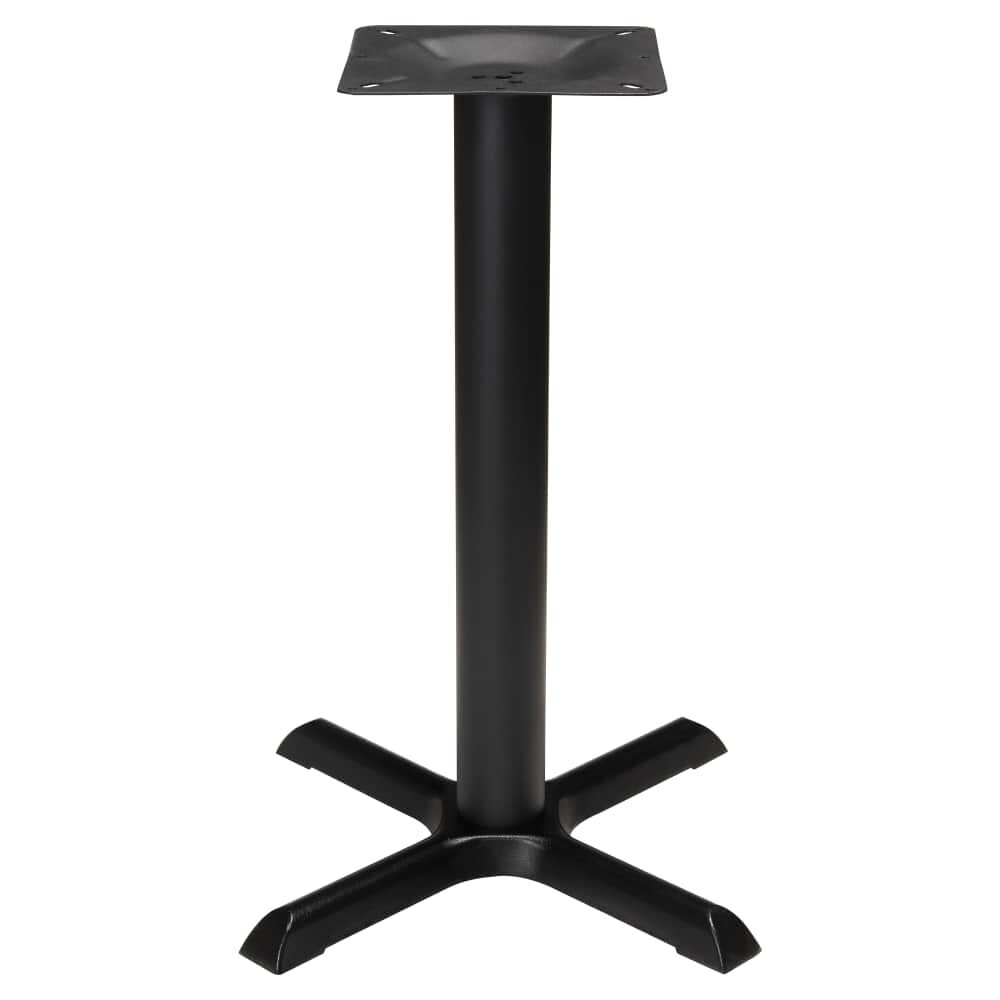
Table Base with Standard Height, X-Prong
- Cast iron base
- Indoor use
From $48.00Choose options
CompareBooths, tables, seating
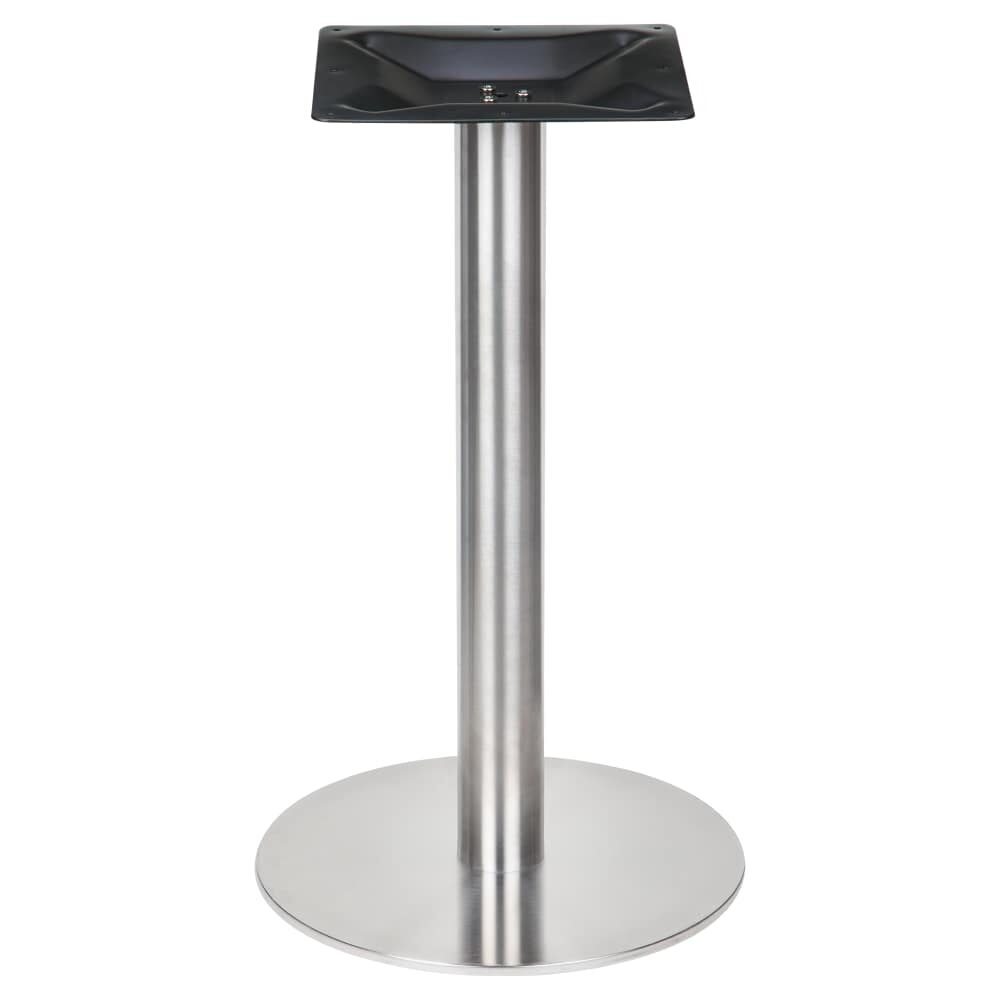
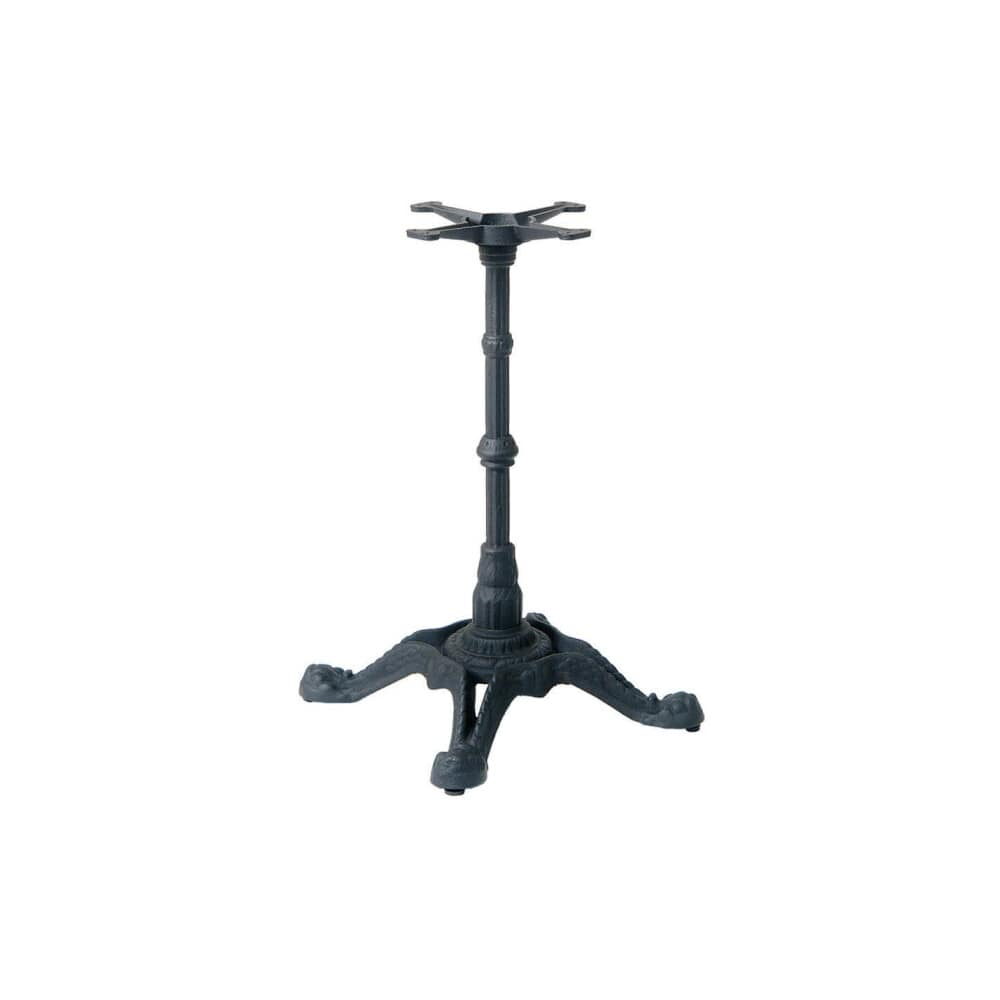
Iron is what a table leans on when a guest leans on the table. The 34 bases here are cast iron on 14, steel on 6 and stainless steel on 1, in standard and bar heights.
Table bases
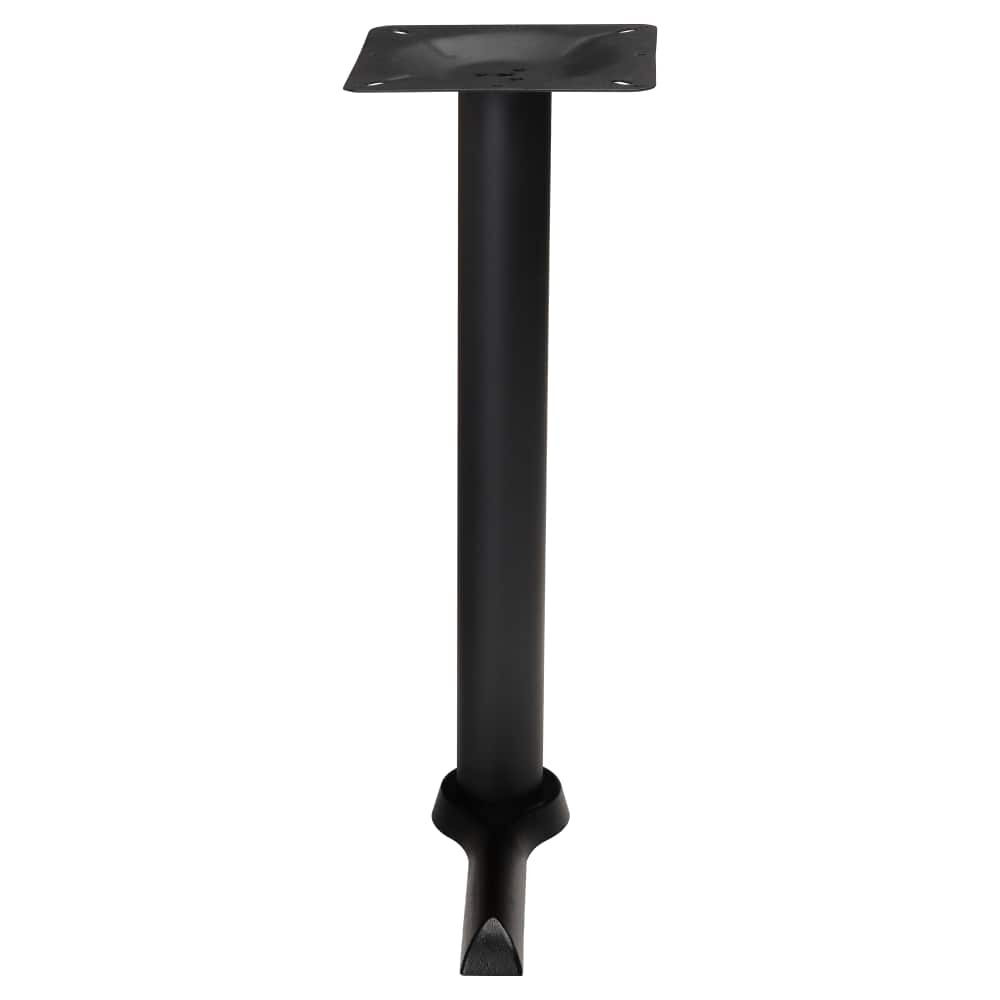
Table bases
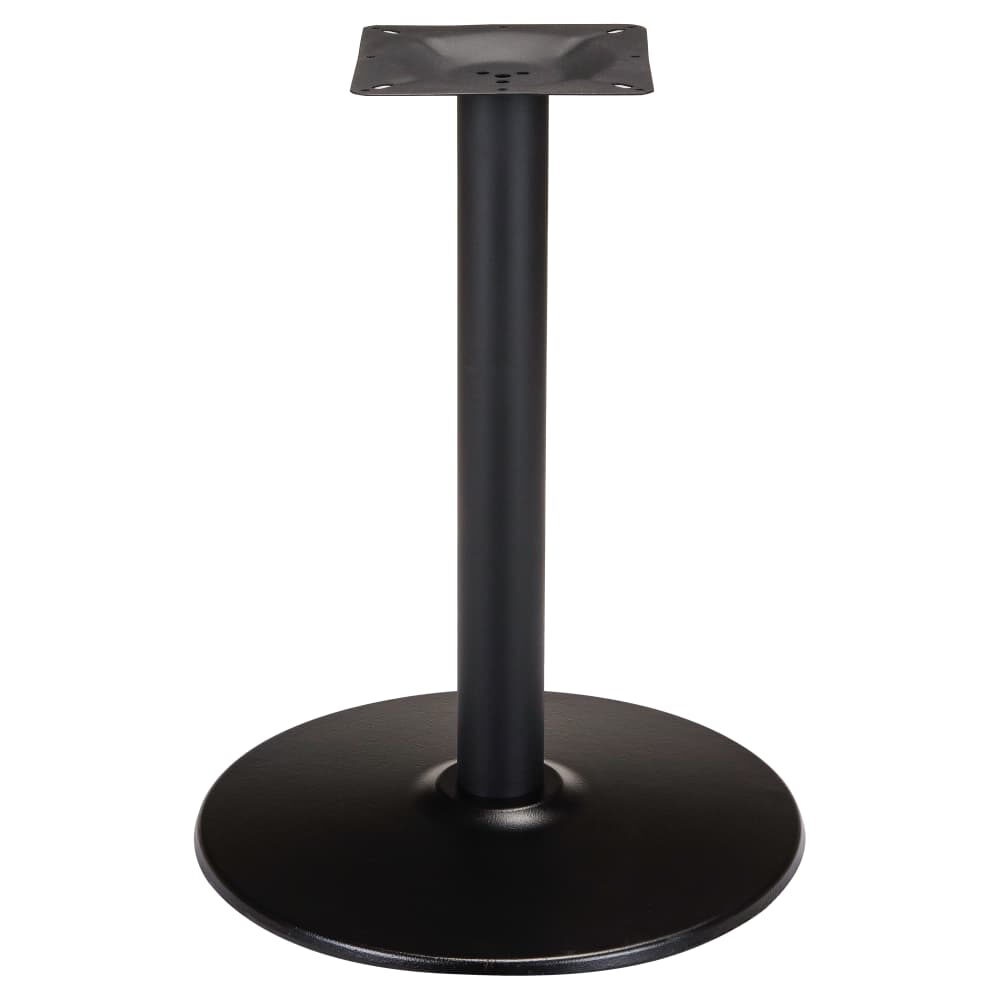
Table bases
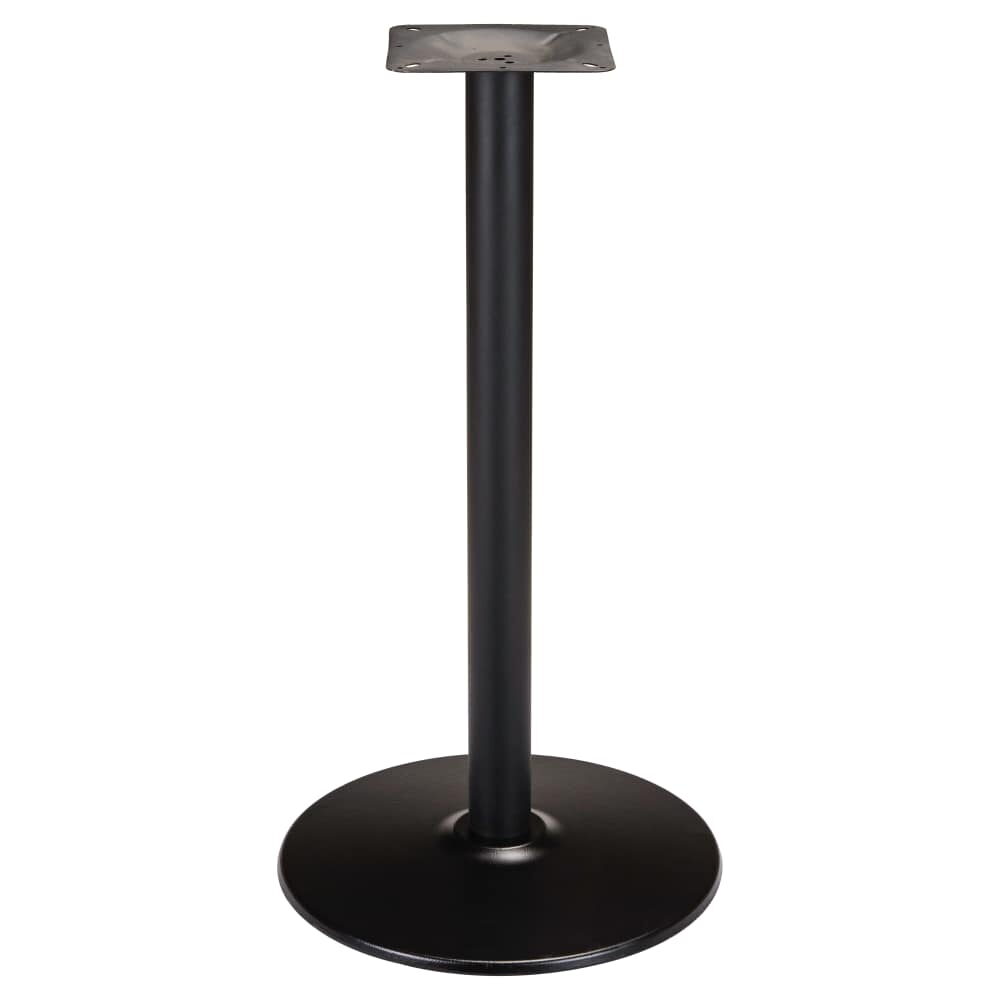
Table bases
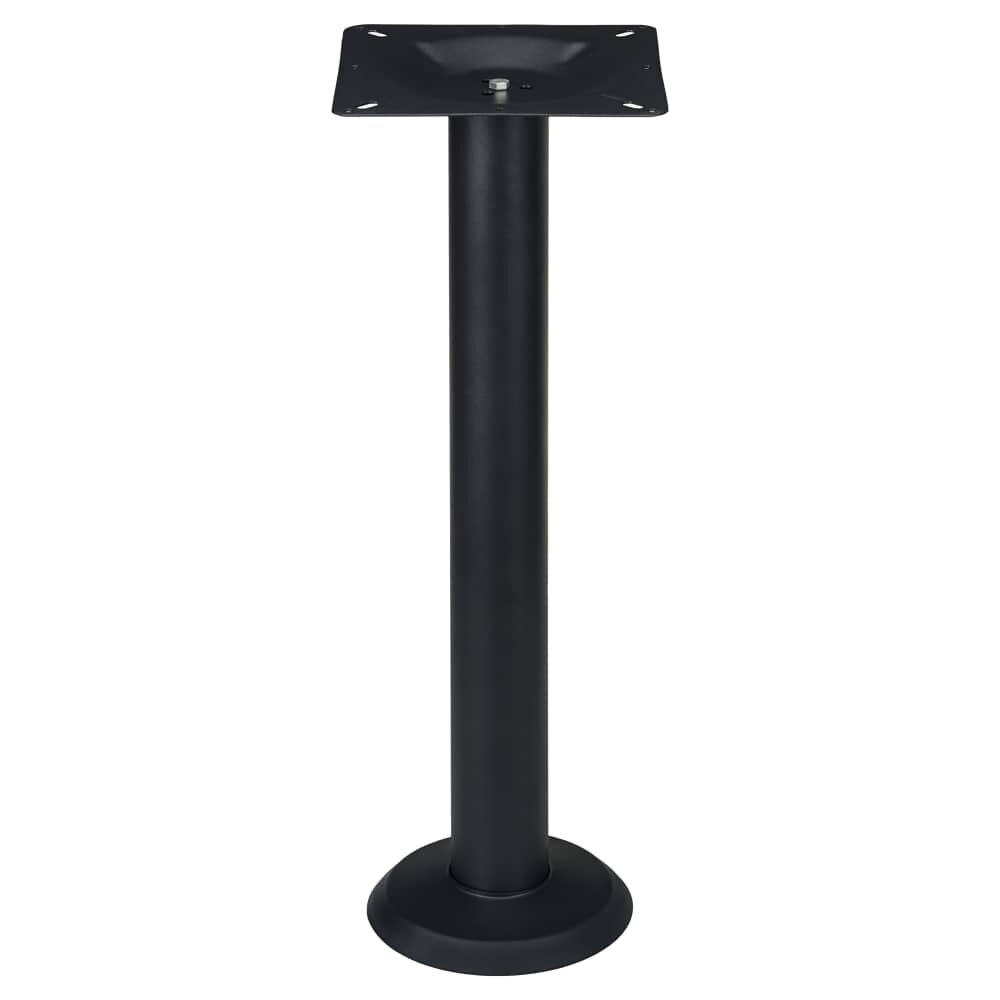
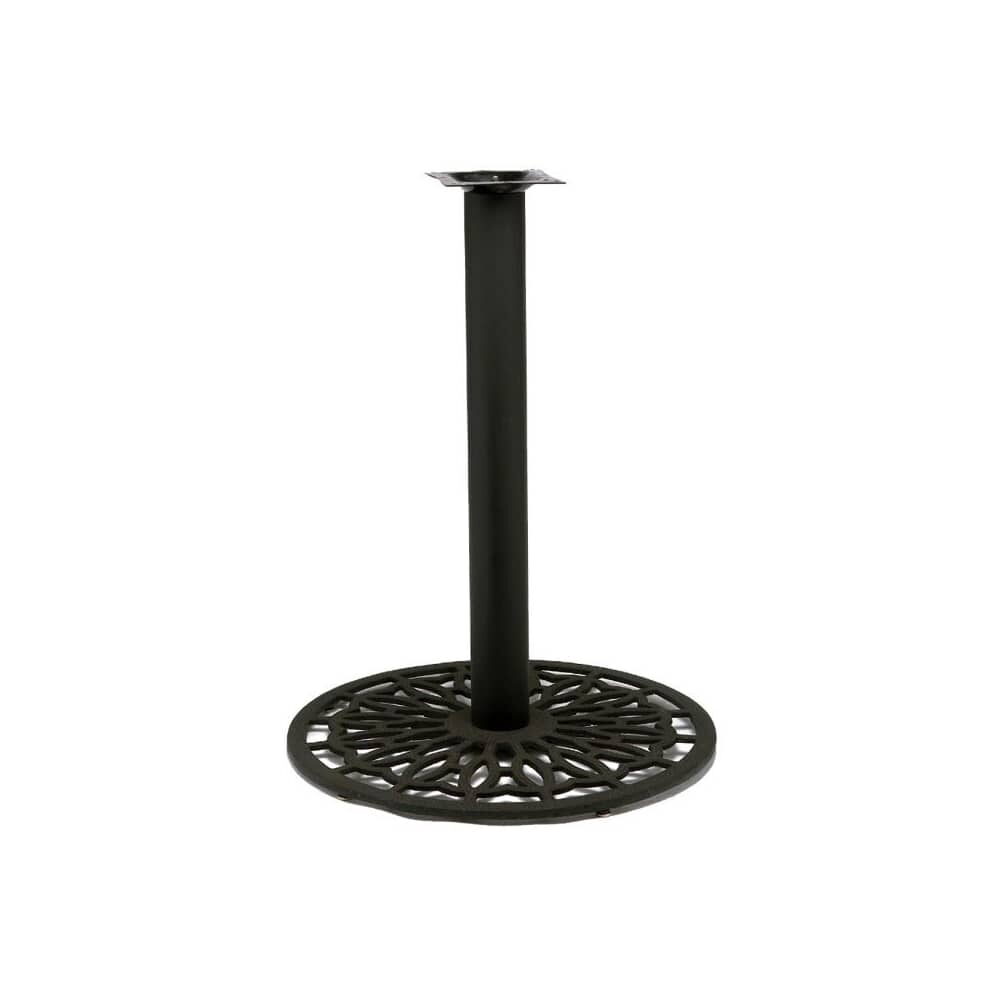
Table bases
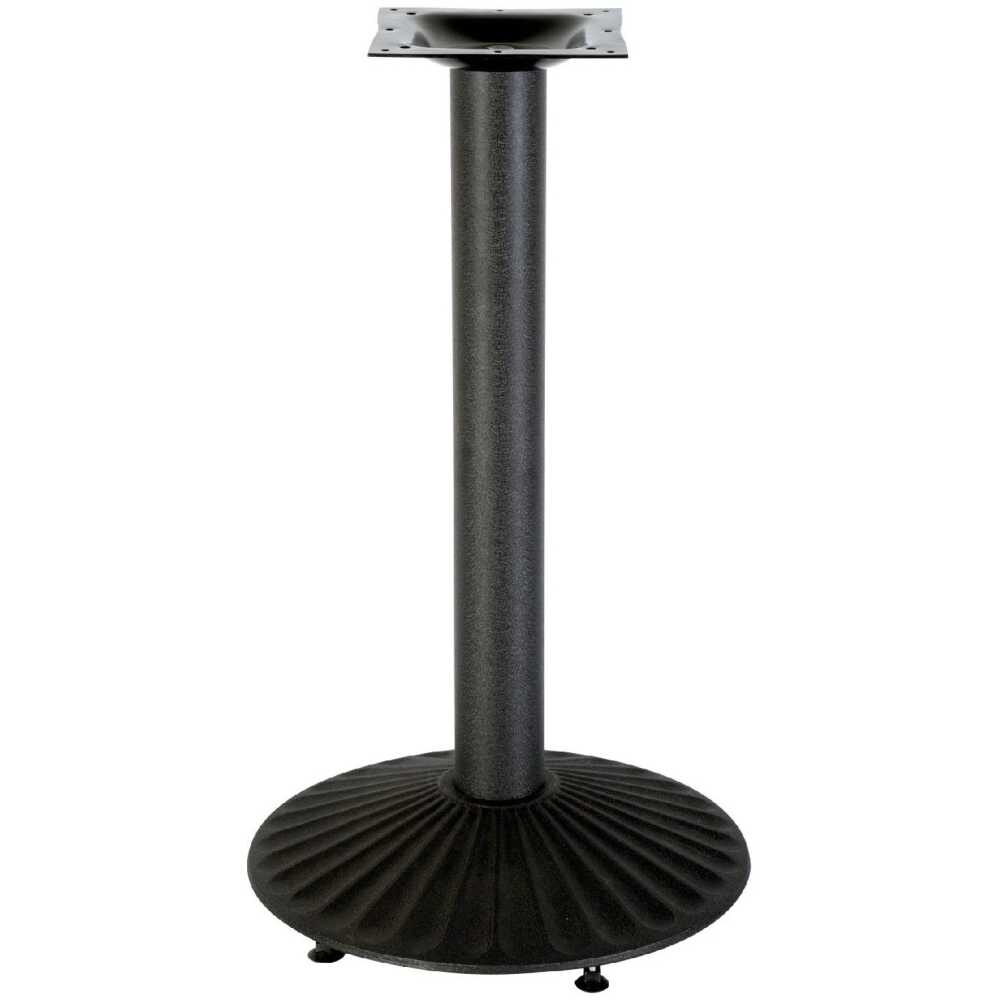
Table bases
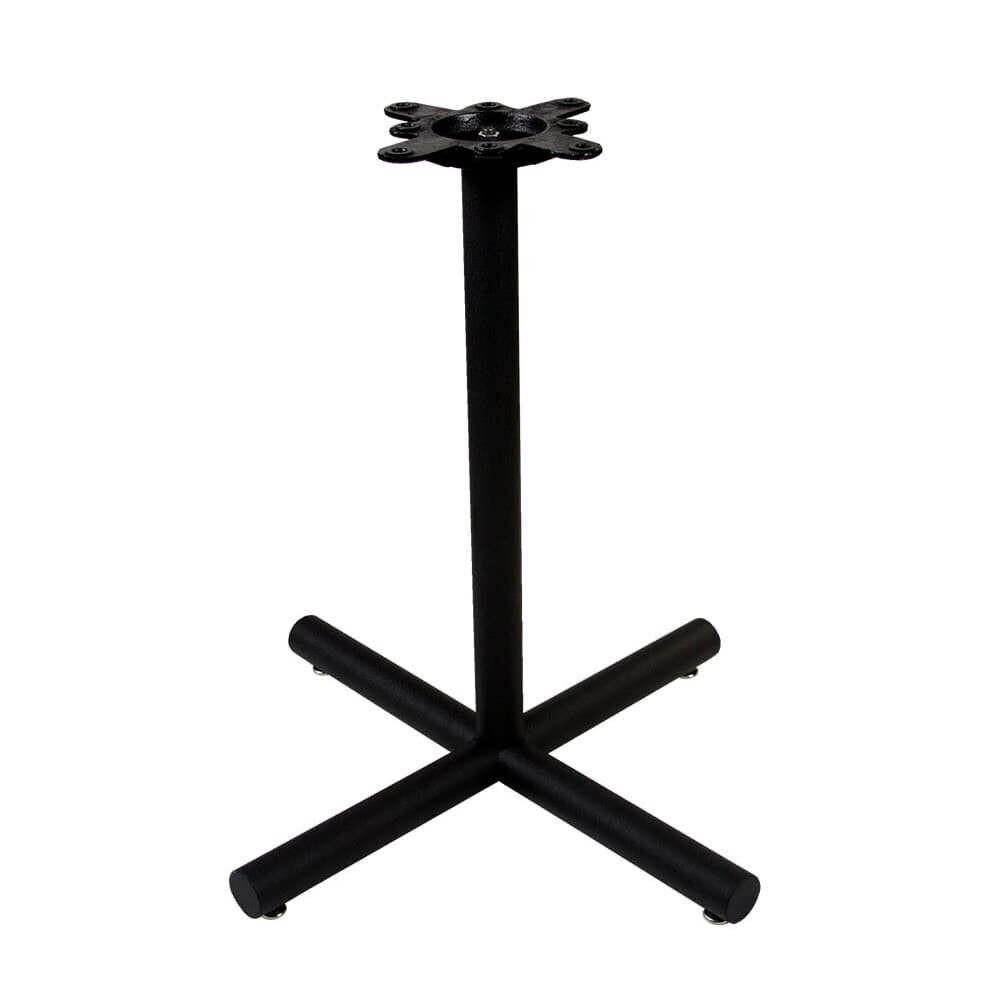
Table bases
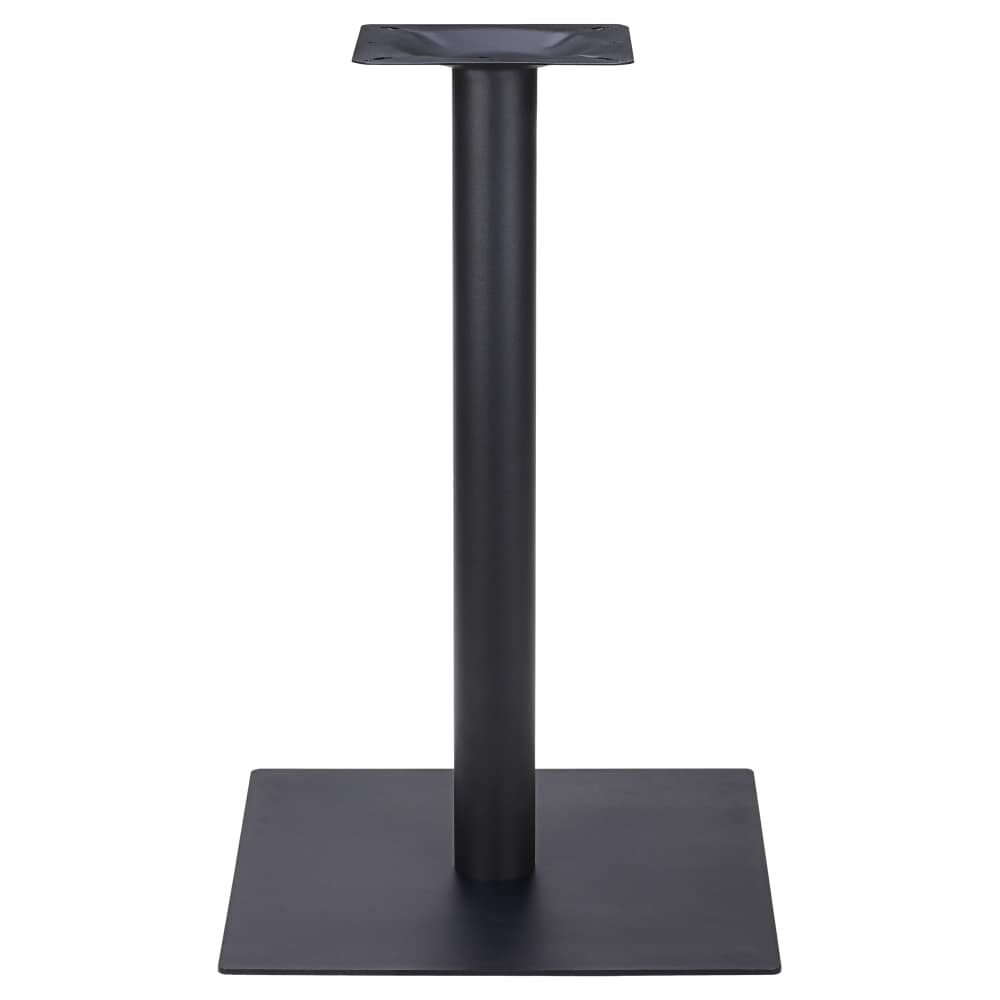
Table bases
Table bases
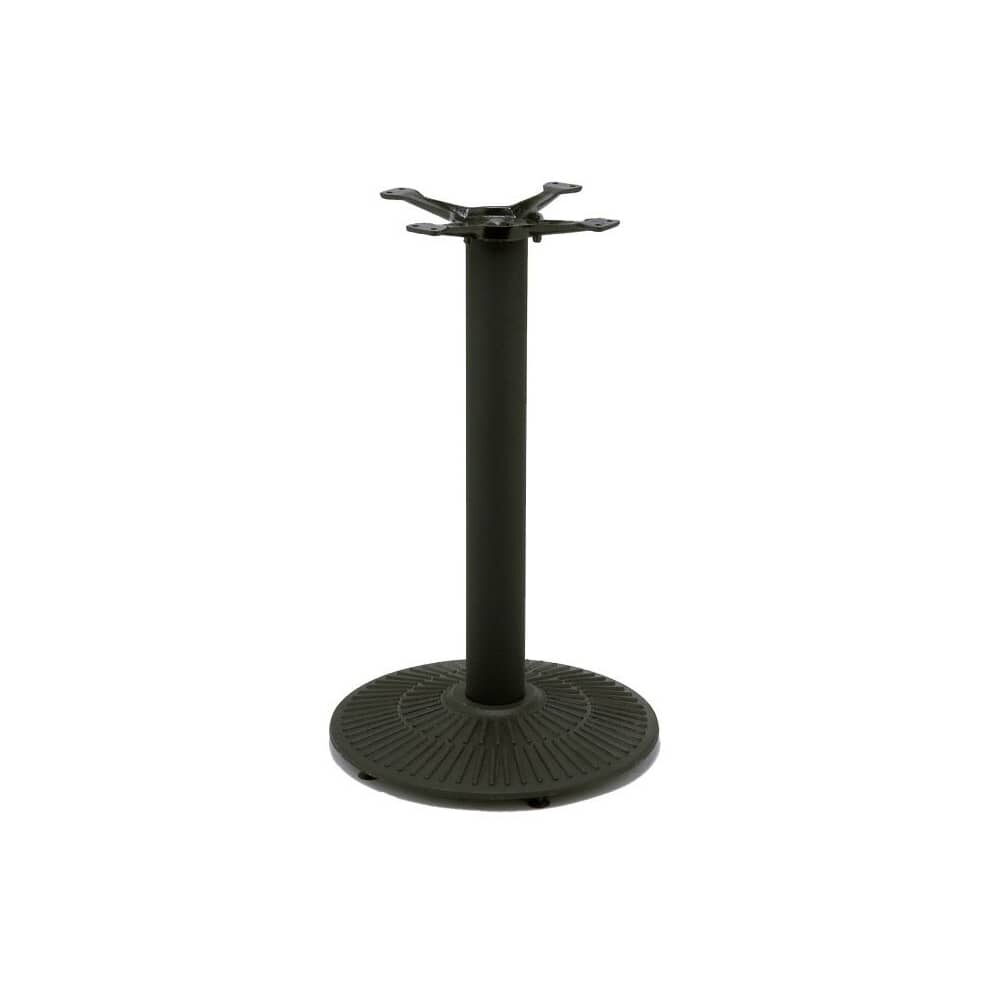
Table bases
Outdoor
Table bases
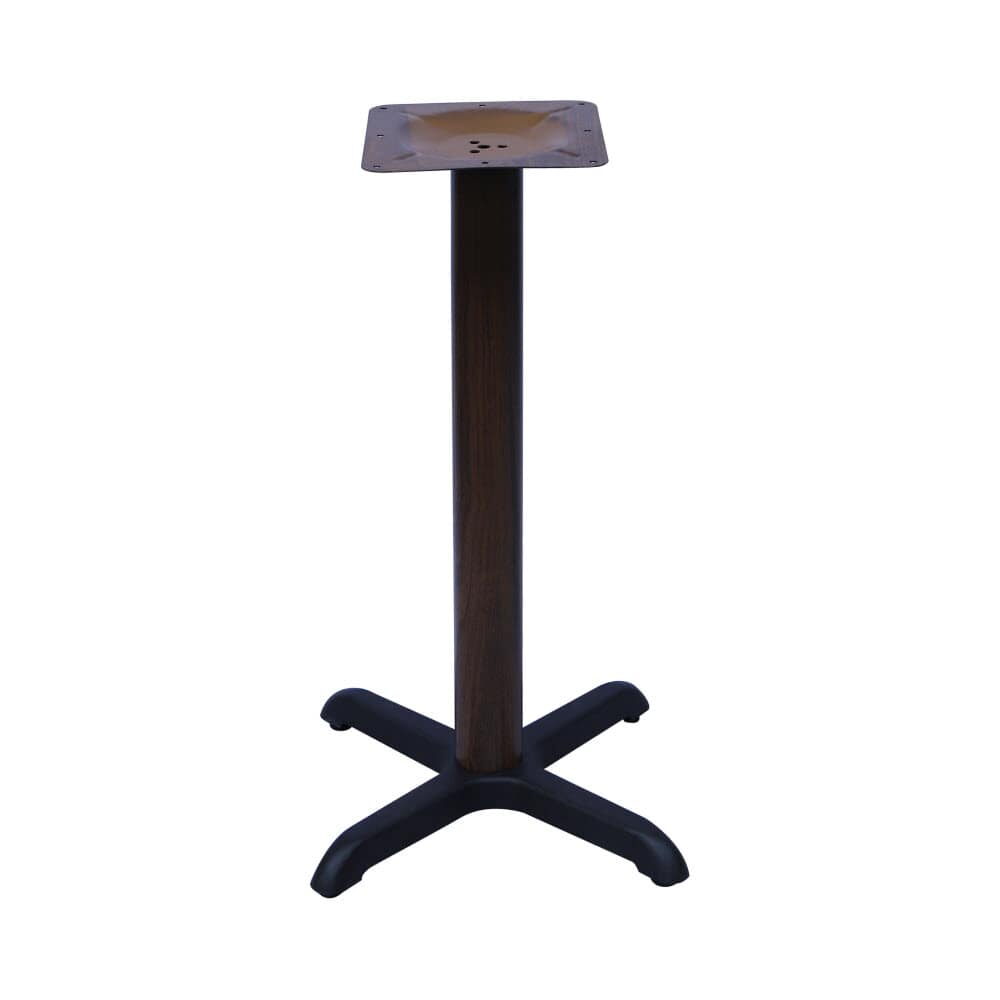
Table bases
Outdoor
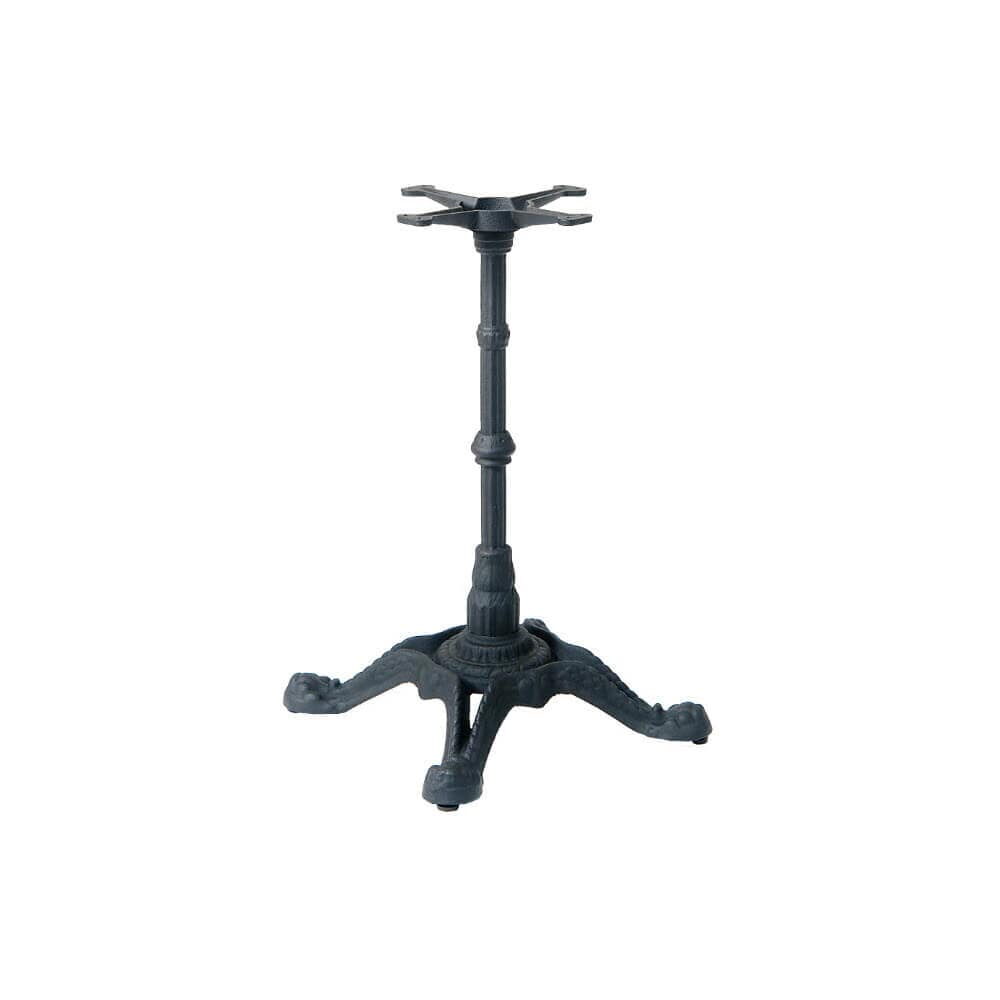
Table bases
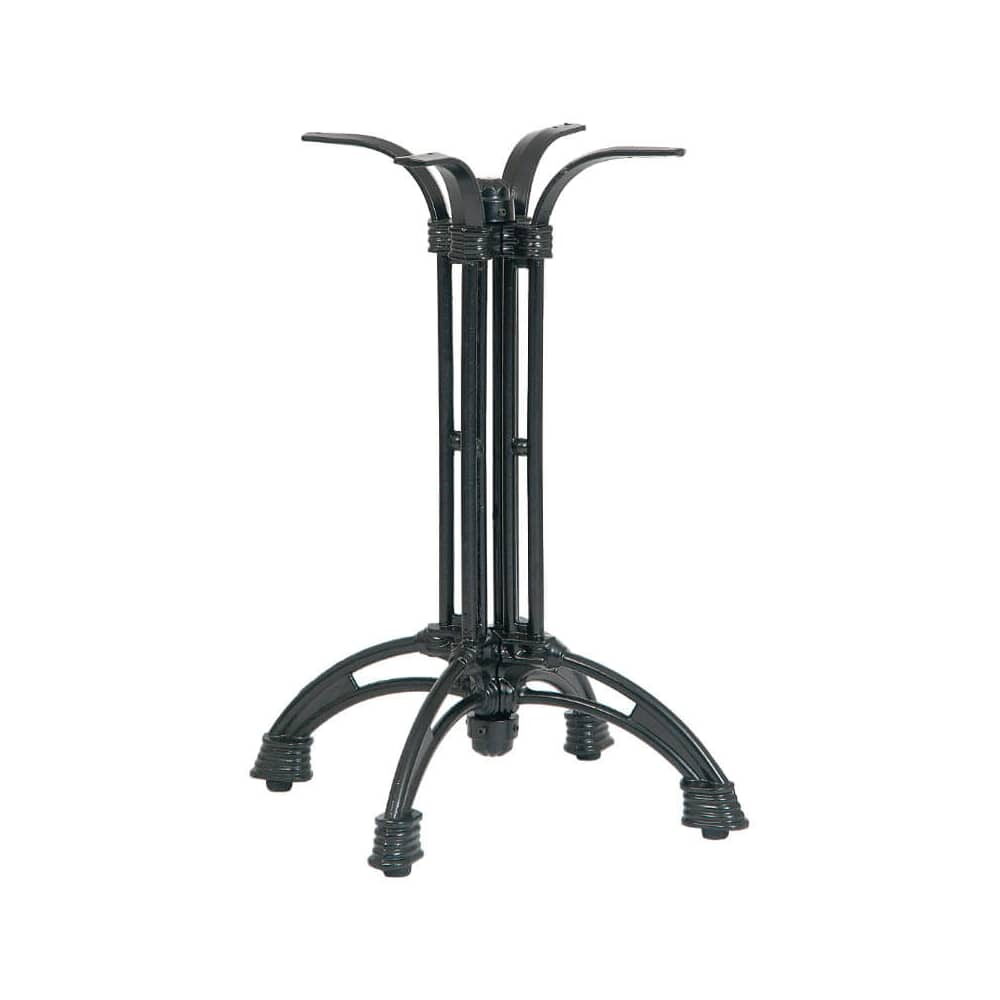
Table bases
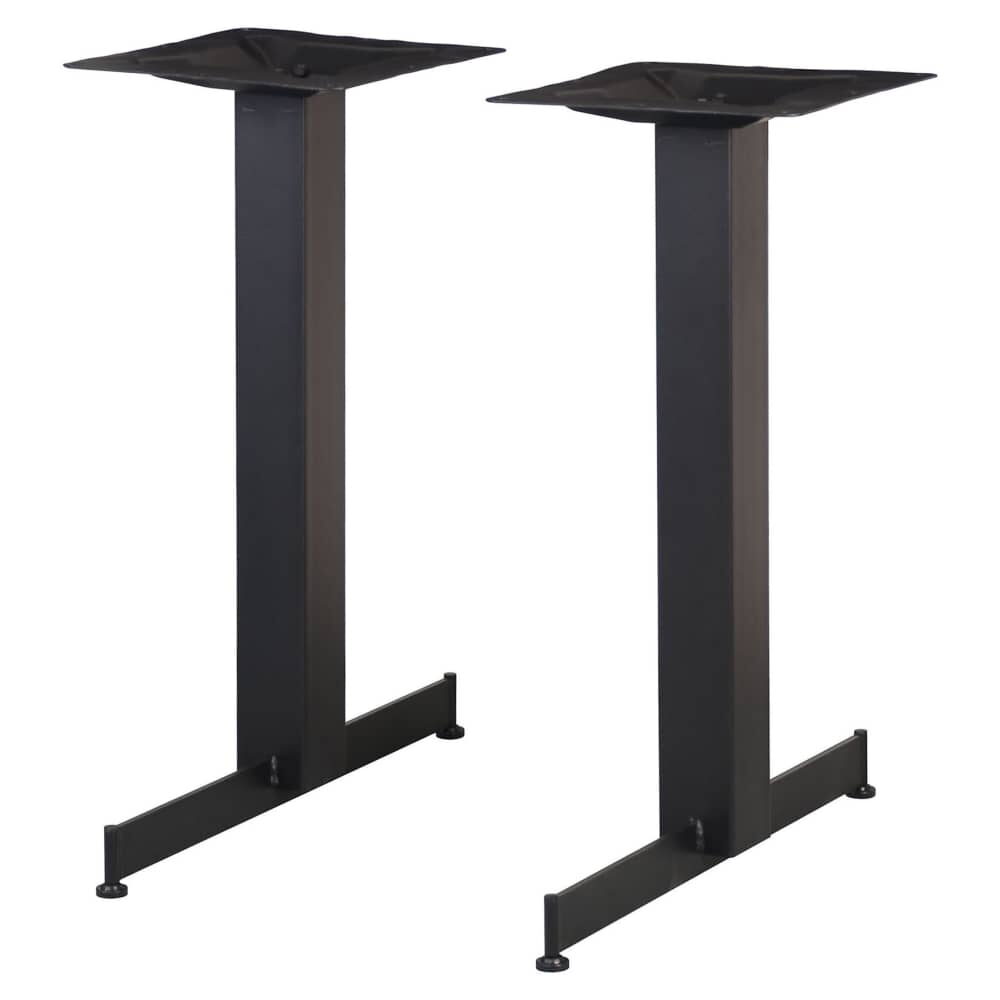
Table bases
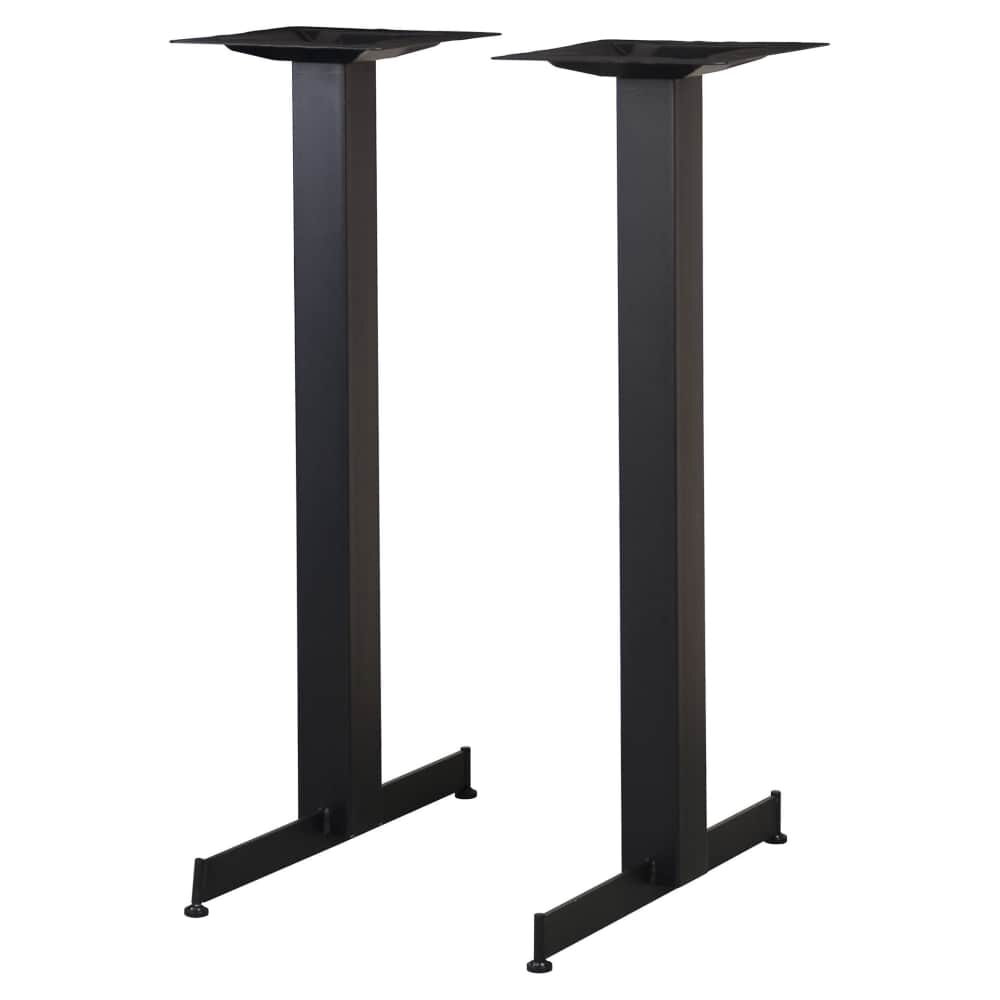
Table bases
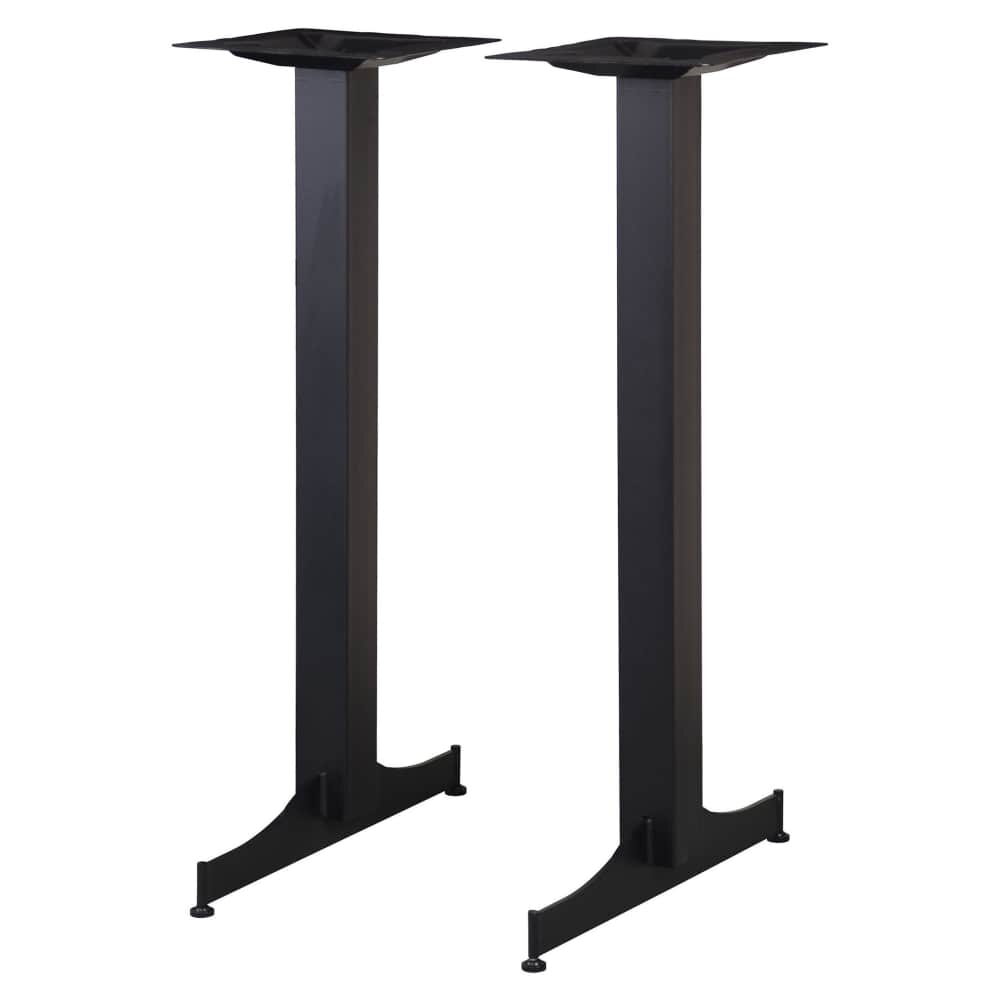
Table bases
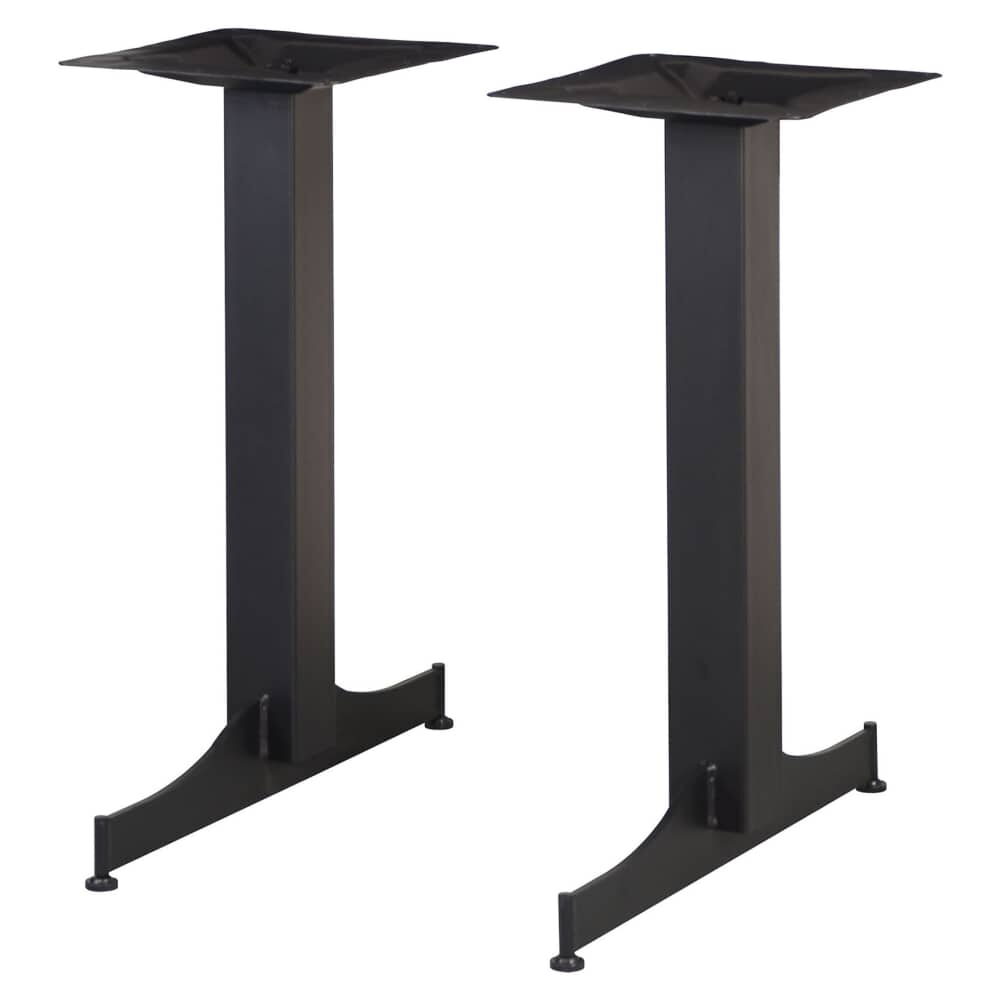
Table bases
Outdoor
Outdoor
Outdoor
Table bases
Table bases
Outdoor
Outdoor
Outdoor
Outdoor
Iron is what a table leans on when a guest leans on the table. The 34 bases here are cast iron on 14, steel on 6 and stainless steel on 1, in standard and bar heights. Decide the height first, then the footprint under the top, and keep the guest's knees in mind throughout.
Weight keeps a table steady and makes it slow to move. That suits a room where tables stay put for a season, and it is a nuisance in one that rearranges for every large party. Decide which tables in the room are fixed and which travel, and put the iron under the fixed ones.
Cast iron makes up 14 of the 34 bases, steel 6 and stainless steel 1. All are listed for indoor use, and 2 are also listed for patio use. Prices range from $43 to $135.
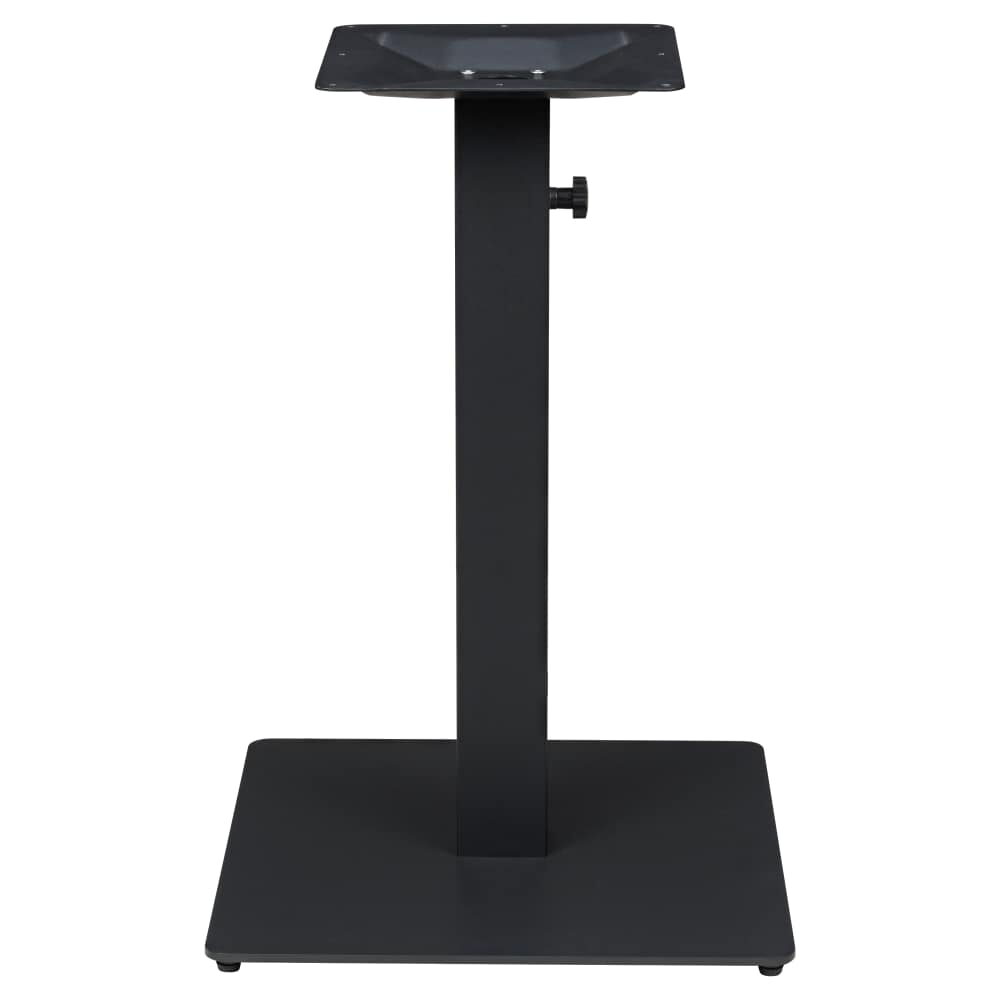
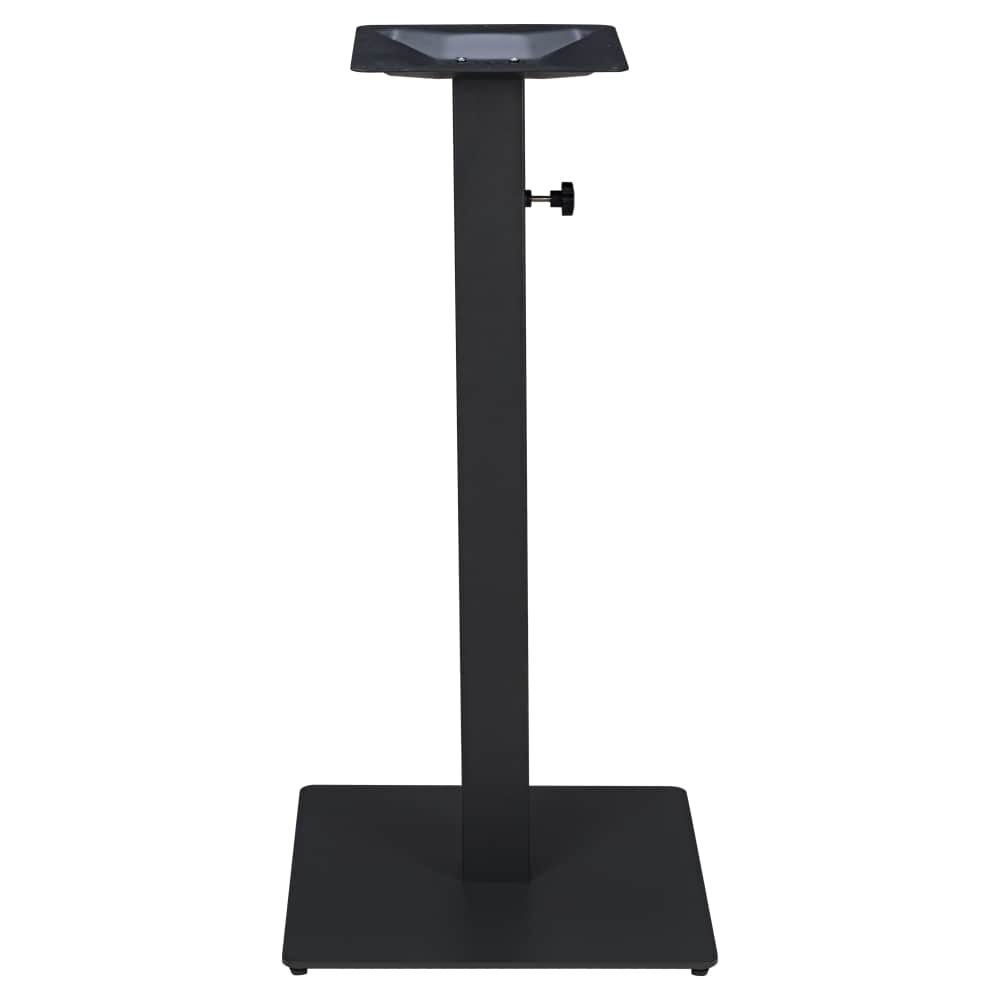
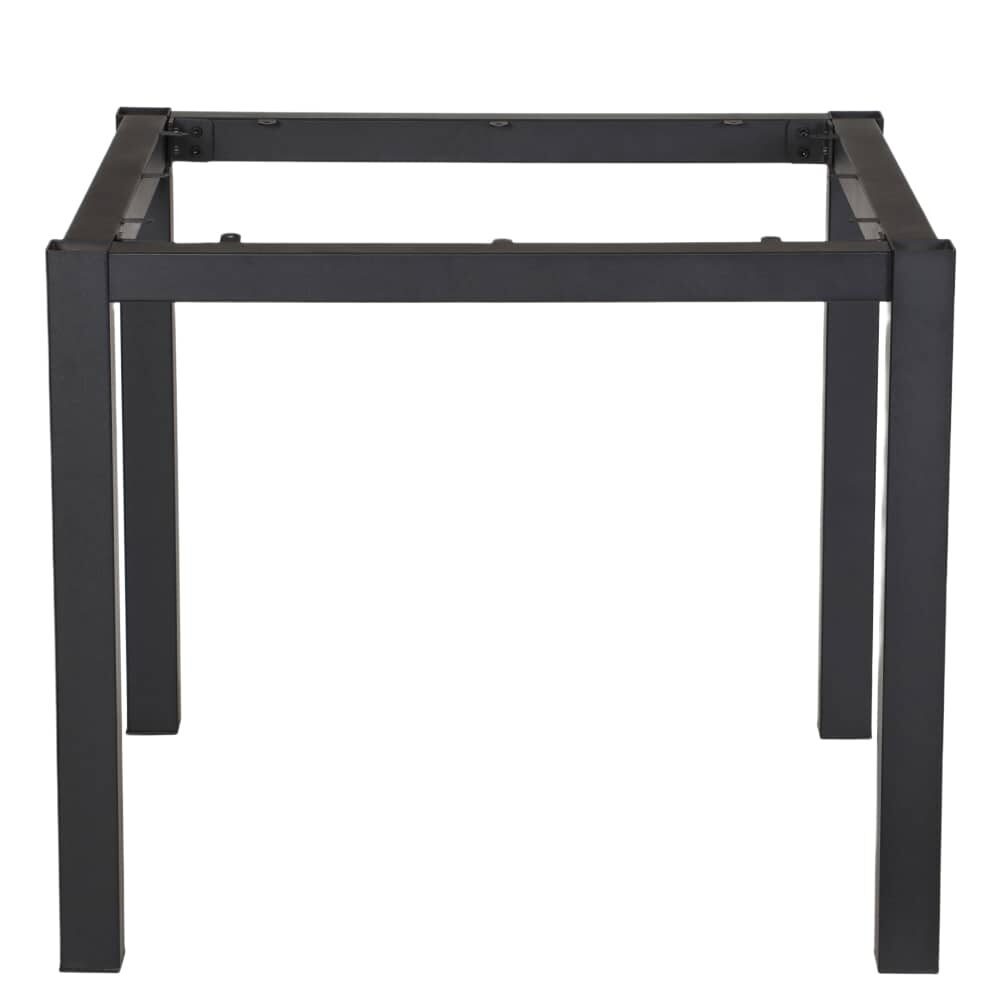
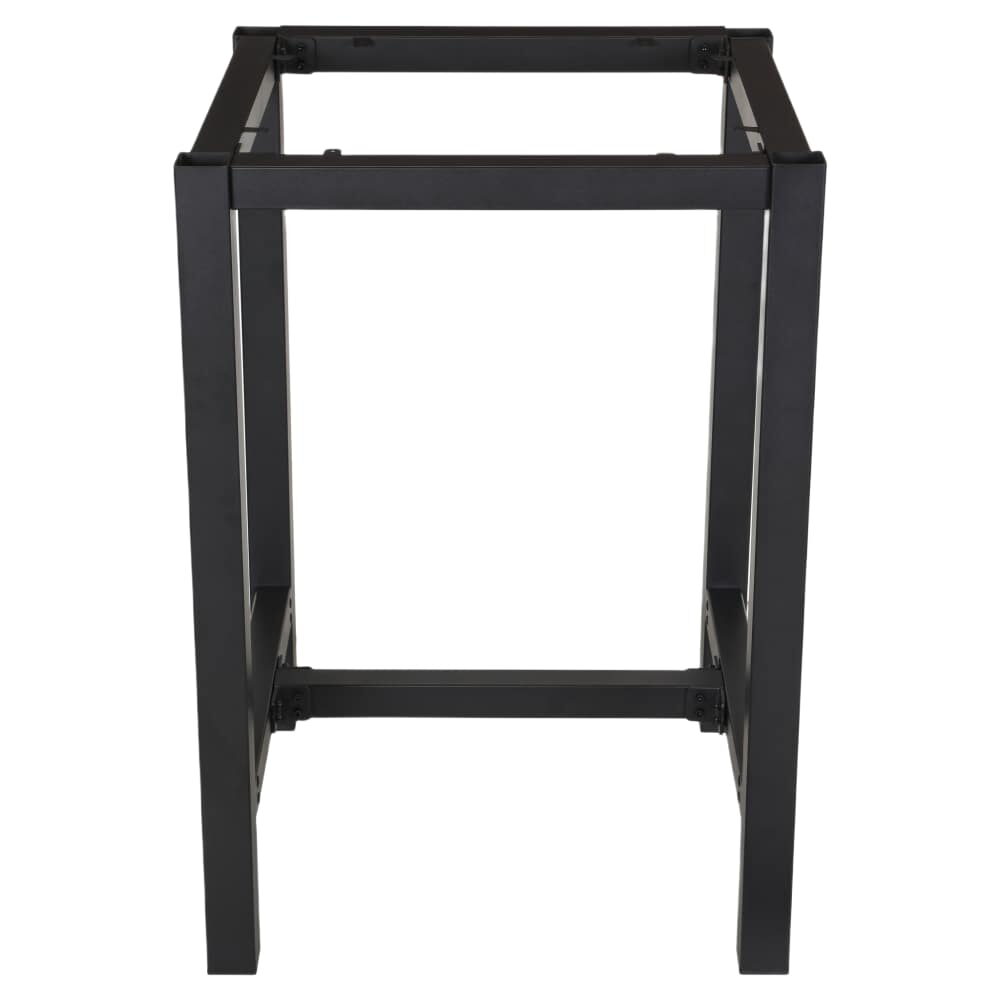
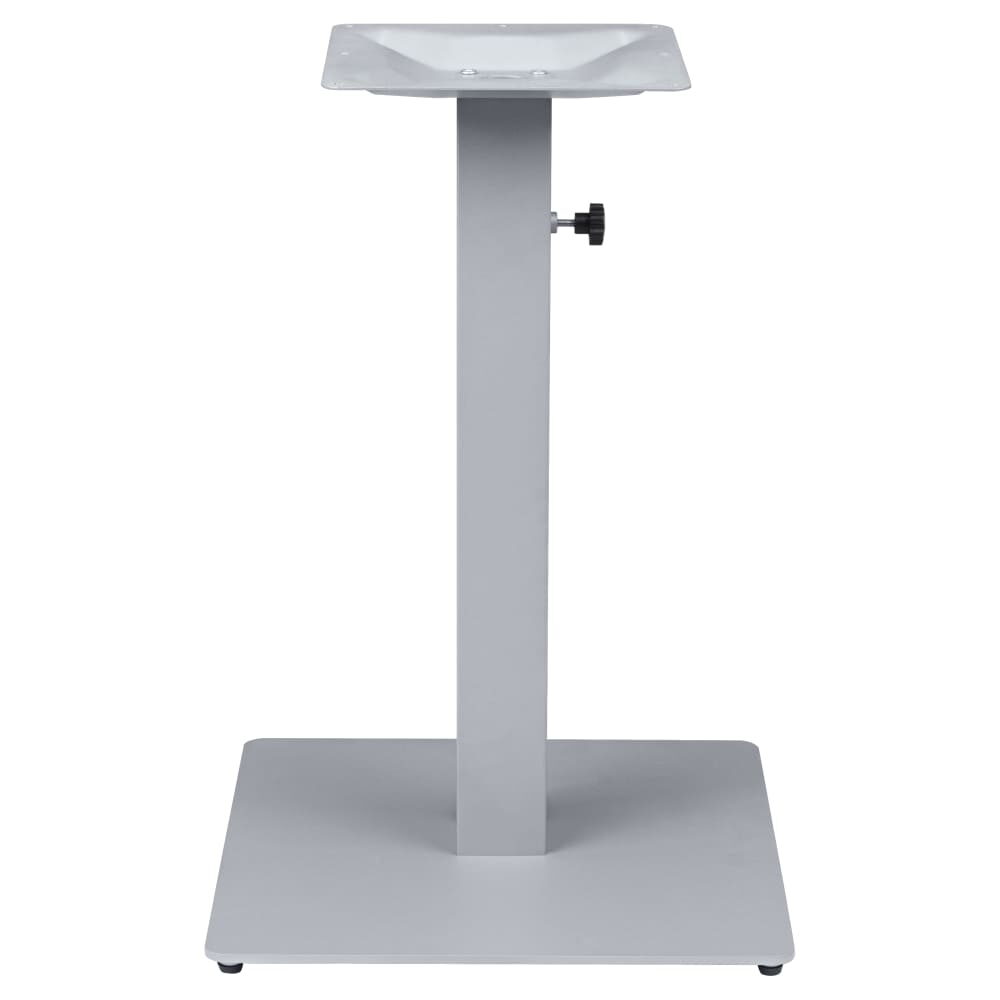
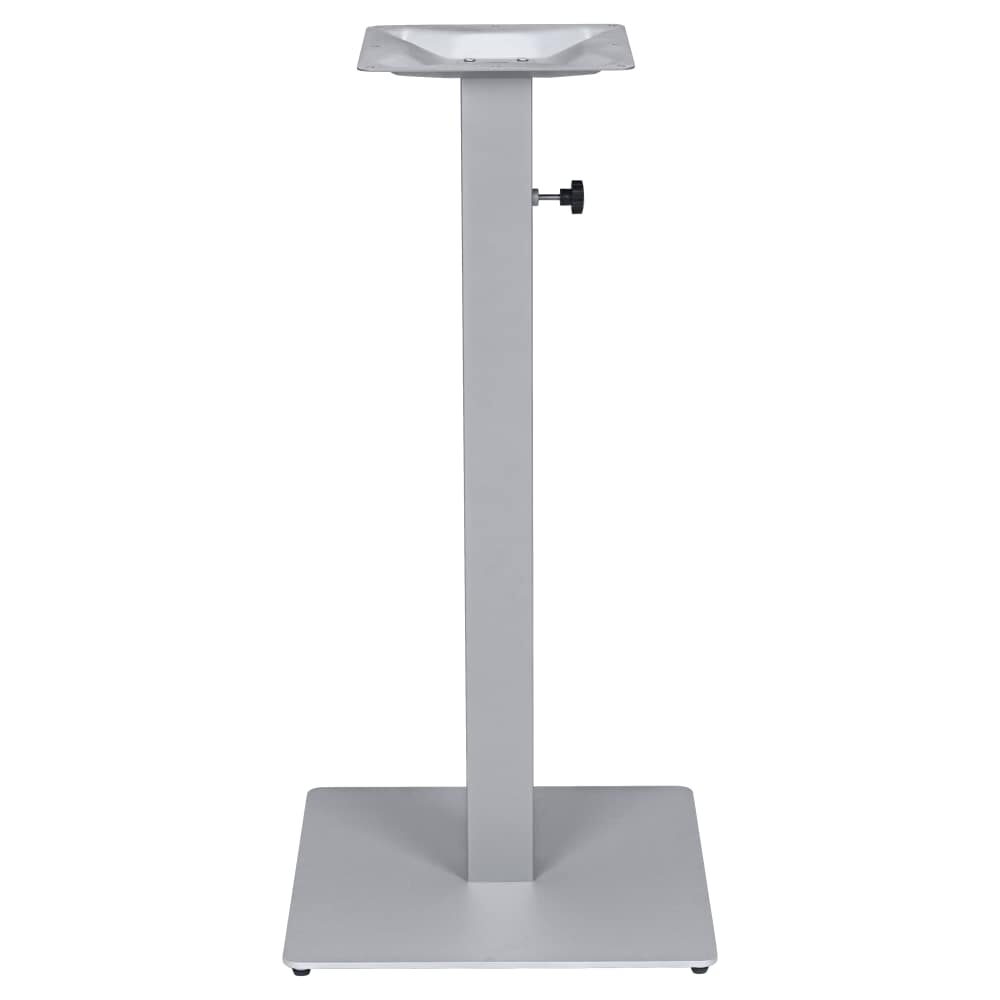
Product pages carry the numbers. A standard-height table support stands 29 inches high and is sized to its top: 28 by 28 inches for a 30 by 30 top, 34 by 34 for a 36 by 36, and 28 by 46 for a 30 by 48. A cast iron X-prong table support in the bar-height group stands 41 inches high, in black, with base sizes from 22 by 22 to 33 by 33 inches, a footrest as an option, and adjustable glides as standard.
Match the base to the top by the sizes on the page, not by the look of the pair in a photograph. Level the table once it is on the floor, because an uneven floor shows at once in a full room, and the bar-height listing names adjustable glides for that reason. A base that is too narrow for its top leaves the edge unsupported, and a base that is too wide catches the chairs.
An X-prong base reaches toward the seats, and a guest's shoes find the prongs before anything else. Walk the layout with the footprint in mind. Keep 18 to 24 inches clear behind every seat so a chair can be pulled out, and keep the base inside the edge of the top.
The standard table bases and the bar-height table bases pages sort the range by job, and the X-prong table bases page gathers the shape that reaches toward the seats. Table bases carry a one-year warranty.
When the base is chosen, open the table tops and check that the top you want sits within the footprint.
Related reading