Materials & finishes
How each material wears, and how to care for it
Browse the finish references
Look at each finish closely before you order.
Explore color and texture references from the current collection. Open a reference to see the products that list it.
Compare two color and texture references
Put two original swatch images side by side. Use the product links to check where each reference is offered. Similar names do not mean identical materials or matching dye lots.
Screen colors and textures are approximate. Confirm each finish and any physical sample arrangements before ordering.
References that use the same image under different finish names are omitted from this comparison. Confirm those finishes with us before choosing a color.
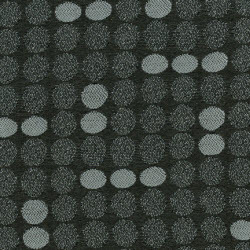
Selected reference
5-eclipse pewter
Listed on 4 products in this collection. Choose the matching finish on the product page. Other options can affect its availability and price. Product photos show example configurations.
Screen color and texture are references. Confirm the material and any physical sample arrangements before ordering.
Back to fabric →Products with this reference
Open a product to choose its options and quantity.
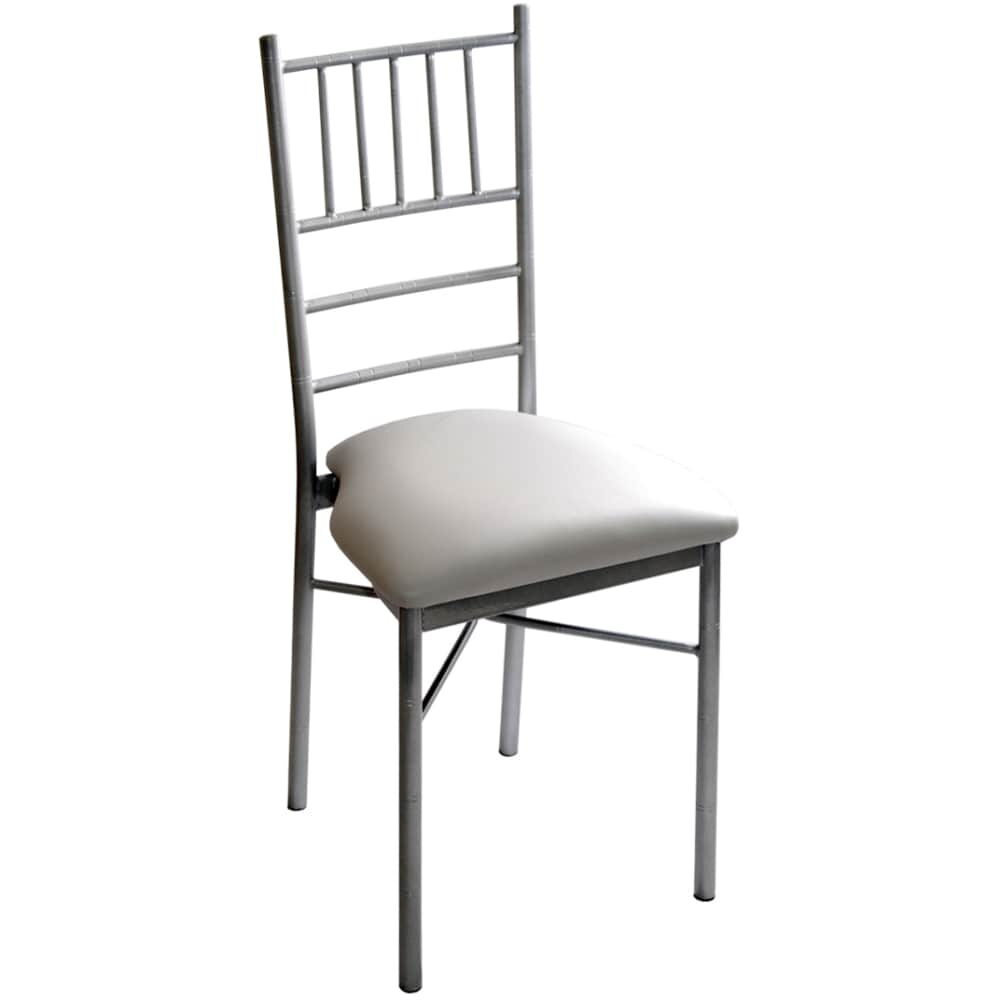
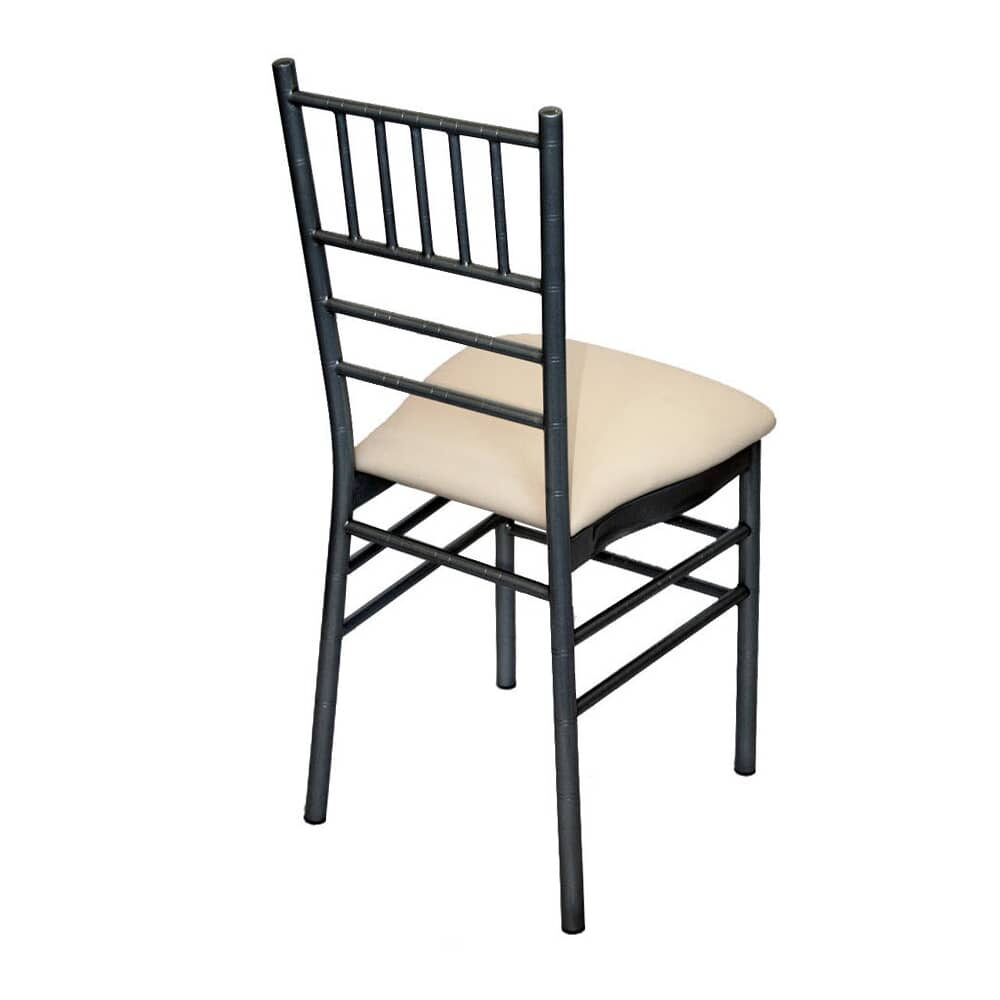
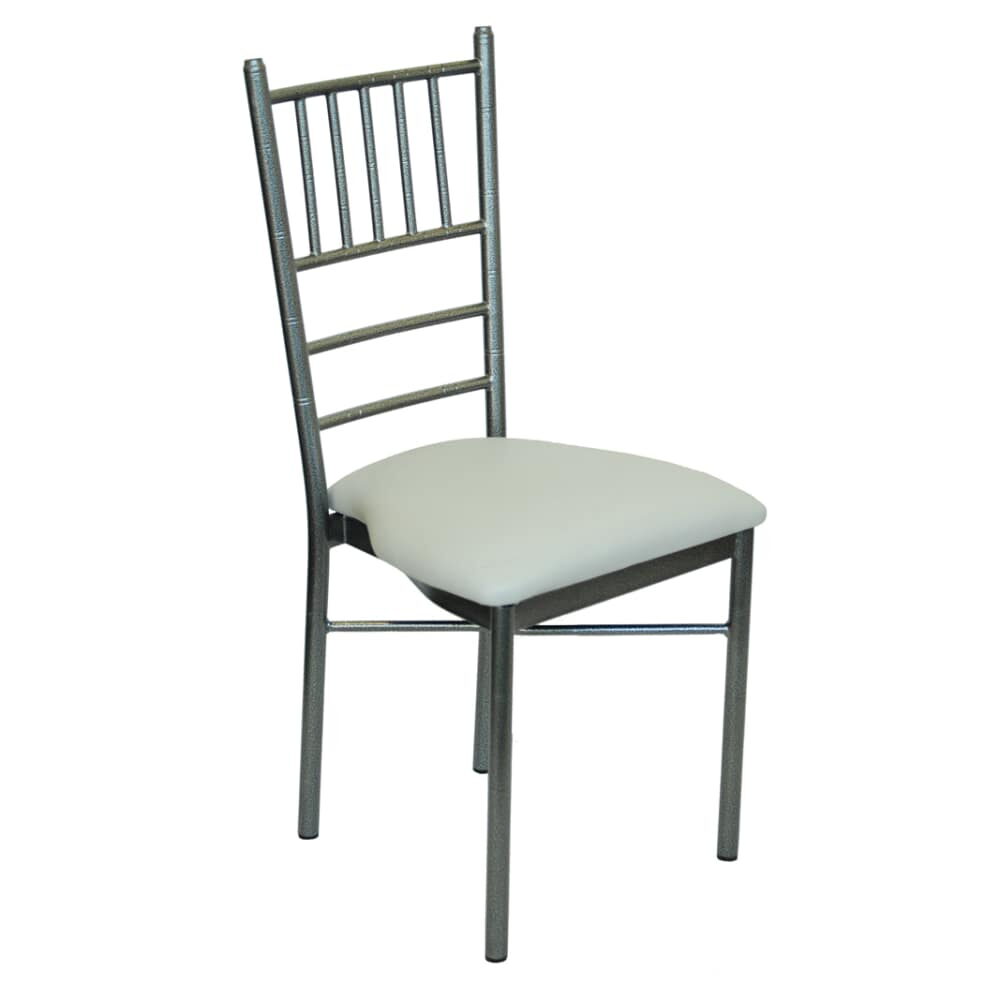
References are grouped by their option labels. A similar color name does not establish that two products use the same material. Choose and confirm each product configuration separately.
Material care, samples & ordering guide
In one evening a guest touches the seat, leans on the back, rests an arm on the table edge and sets a shoe against the base. Each of those surfaces is made of something, and each material has its own way of wearing. This guide goes through them one at a time: what to clean with, what to keep away, and what to expect after years of nightly service.
Nothing here replaces the swatch. Colors and grains read differently under a dining room's own lighting, so ask for samples before you settle on a finish.
Vinyl upholstery
Vinyl is the working choice for booths and chairs that turn more than once a night, because it wipes down between seatings. Mild soap and water, then a dry cloth, is the whole routine; bleach, solvents and alcohol-based products dry out the surface, and the first place that shows is a seam or a fold. Run a hand along the stitching and welt of each booth once a month. A thread that has begun to lift is cheap to catch and expensive to ignore. Tufting and channel backs look rich in low light, and they also hold crumbs, so allow a few extra minutes to wipe them.
Fabric upholstery
Fabric gives a seat warmth and texture, and it asks for more attention in return. Where a fabric carries a cleaning code, read it before you choose a cleaner. W allows water-based cleaners, S calls for solvent-based ones, W/S accepts either, and X means vacuum or light brushing, no liquids. Blot a spill; never rub it. Fabric suits the room where a quiet evening matters more than a quick turn, and vinyl suits the room that seats the same table three times. Either way, the wrong cleaning agent falls outside the warranty.
Foam under the cover
A seat stays comfortable only as long as the foam beneath it keeps its shape. Dense foam holds its profile through nightly use, while soft foam flattens at the front edge first, which is where a guest's weight lands on the way in. When you compare two upholstered chairs, press the front of each seat, then sit in it for longer than a minute. A cover can be replaced. The foam is the seat.
Hardwood and stain
The stain gives wood its color, and a clear coat over it does the protecting. Stains vary from one product to the next and from one production run to the next, so match by sample and not by the name on a list. Keep wood indoors and out of standing water. It swells and shrinks as it takes on moisture, and the joints loosen with it. Check each fastener monthly, and snug up any that have worked free. Before a worn finish fails, a light sanding and a new coat will usually bring it back. A wood-framed chair left on a patio fades, swells and fails, and that exposure is outside the warranty.
Steel and powder coat
Powder coat is a dry powder applied with an electric charge and cured with heat into one continuous film. It is harder than ordinary paint and comes in solid, textured and metallic colors. Steel under it rusts once moisture reaches it, so a chip is a small repair now and a rust spot later. Touch up chips early, and look hardest at the places that meet a wet floor: leg tips, footrests and stretchers. Mild detergent on a soft cloth is the cleaner; an abrasive pad is the enemy of the coating.
Aluminum
Aluminum is light and does not rust, which is why it suits patio frames and why an aluminum chair is easy to move and stack. It takes powder coat and printed finishes. Mild soap and water is all it asks. In wind, stack it or secure it; a light chair moves.
Chrome
Chrome is a thin plated layer over steel, and it is an indoor finish. Wipe it damp, then wipe it dry, and that is all the care it needs. Abrasives, chlorine cleaners and salt pit the plating, and a pitted surface does not come back.
Resin, synthetic teak and coated steel outdoors
Resin is molded plastic that rinses clean with a hose. Synthetic teak is polymer slats with the look of teak and no oiling. Coated steel behaves like powder-coated steel indoors: touch up chips before moisture finds the metal. All of it needs a rinse, drainage so water never stands in a seat or a base, and a cover or a dry spot indoors when the season is done. The outdoor category lists what is meant for patio use.
Laminate table tops
Laminate is a printed or textured surface bonded to a core. It wipes clean and shrugs off daily use. What shortens its life is heat, standing water at the edge, and the edge itself, since the edge is the most handled part of a table. Look at how the edge is finished before you choose among laminate table tops, and keep hot pans off the surface.
Solid wood tops
Solid wood moves with the humidity of the room. A top can check along the grain or open at a seam after a dry winter, and that is the wood behaving as wood does, not a fault. Natural movement is outside the warranty. Keep the top away from heating vents, and when water no longer beads on the top, it is time to reseal it. Butcher block rewards the same routine.
Stone tops
Granite is dense and does not mind a warm plate. It is also heavy, so the base beneath it has to carry the weight; check the base against the top before you order. Natural stone is porous unless sealed, so reseal it on a schedule and wipe up wine and citrus quickly, since acid dulls a polished surface. The granite tops are the place to start.
Bases and glides
Cast iron makes a heavy, steady base, and the weight keeps a table from walking when a guest leans on the edge. Under a round top, a cast iron base should span two thirds or more of the top's width. Glides cost little, and they are the part of a chair people forget. Set them level at installation and replace any that wear through, because a worn glide scratches a floor and an unlevel base rocks.
A calendar for the room
- Each night: wipe seats and table tops with mild detergent, and dry the vinyl and the chrome
- Each week: rock every table, and level any that move
- Each month: inspect frames, fasteners and glides for chips, play and wear
- Each season: reseal solid wood and natural stone where water has stopped beading, and rinse, cover or store the outdoor pieces
Start with the monthly walk. Take a notepad down the booth run, and write the table number beside every loose thing.